Some Known Incorrect Statements About Lab Grown Diamonds
The Ultimate Guide To Lab Grown Diamonds
Table of ContentsThe 15-Second Trick For Lab Grown DiamondsLab Grown Diamonds Things To Know Before You Get ThisThe Definitive Guide for Lab Grown DiamondsHow Lab Grown Diamonds can Save You Time, Stress, and Money.
As you take a trip closer to the Planet's core, pressure and temperature rise, which develops the perfect stove for carbon to be exchanged diamond (rubies are the only gemstone to be made from totally one element). Via a large volcanic eruption, these diamonds were carried to the Planet's surface. It's approximated this procedure was relatively fast (more than likely throughout numerous hours), which permitted the diamonds to remain intact without melting.The short response: carats gauge the mass of stones, karats gauge the pureness of gold. Carat: 1 carat is equivalent to 0.2 grams, about the weight of a paperclip (following time you see an image of Mariah Carey's 35 carat interaction ring, just think of the problem of lugging 35 paper clips around your finger each day).
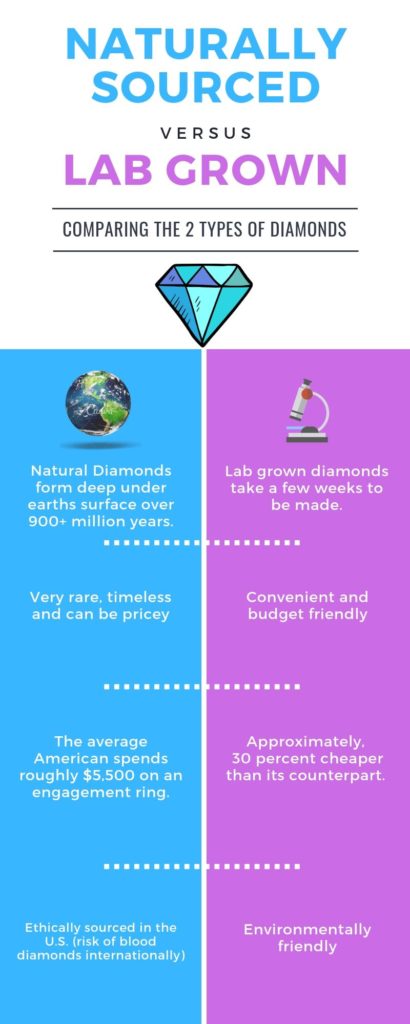
Right here are a few of the crucial advantages of lab expanded diamonds and laboratory grown ruby jewellery:.
The Best Strategy To Use For Lab Grown Diamonds
In other words, all-natural or earth-mined diamonds are crafted over millions of years beneath the Planet's crust from pure carbon combined with stress and warm. Producing diamonds in a laboratory requires the same process, just fine-tuned to take place over a much smaller timespan in a far more controlled setup.
Whereas earth-mined diamonds are uncommon and limited and tend to enhance in rate over time, laboratory rubies are easily offered. As need surges, labs can proceed to generate laboratory diamonds suggesting they are not minimal or limited compared to natural rubies. If you're interested in fine jewelry from a financial investment perspective, like lab-grown diamond rings, they will not be a great fit for your needs.
They could believe that the disadvantages of lab-grown diamonds exceed the pros. Disputes, wars, and civils rights problems are all intermingled with the diamond industry. That claimed, the diamond sector does supply revenue to third-world nations. Some may say that, consequently, getting a lab-made diamond also comes with its ethical factors to consider, as doing so takes earnings far from those involved in the all-natural ruby sector who might need it most.
Standard diamonds count on the Planet's conditions to establish their quality or absence thereof. In a laboratory, manufacturers can directly control a diamond's high quality.
Excitement About Lab Grown Diamonds
You can easily find tinted, manufactured diamonds on the (fairly) cheap side as well as details cuts that would be costlier if you were shopping for a mined ruby only. That hardly suggests it isn't worth securing.
natural rubies is that the last is mined from natural deposits in the Earth while the former is made in a laboratory using regulated setups. Yet their quality is greatly the same. Lab Grown Diamonds. While the difference in between lab-grown and all-natural ruby alternatives are minimal when it pertains to top quality, a article few of the drawbacks of lab-grown diamonds include the truth that the stone will certainly diminish over time and, to some, a lack of nostalgic worth that's usually related to extracted diamonds
The process includes marginal land interruption and gets rid of problems associated with deforestation and habitat devastation. Lab-grown diamonds are typically more affordable than natural diamonds. This cost difference can be credited to the structured manufacturing procedure and the evasion of expenses associated with conventional mining. The Controlled Setting in Which Laboratory Grown Diamonds Are Created Permits Consistent Quality.
Flexibility in Style - Lab Grown Diamonds Offer Developers and Consumers a Versatile Palette to Create Unique and Innovative Jewelry Styles - Lab Grown Diamonds. Laboratory Rubies Often Come with A More Clear Supply Chain.
The Greatest Guide To Lab Grown Diamonds
Market Understanding - Despite Their Similar Physical Qualities, Lab Diamonds Might Face Tests in Market Perception. Some Consumers Still Perceive Natural Diamonds as Having Higher Worth and Prestige. The Manufacturing of Lab-Grown Diamonds Can Be Energy-Intensive, Specifically in Methods Like High Pressure Heat (hpht) and Chemical Vapor Deposition (cvd).
Natural Diamonds Are Developed Over Millions of Years Deep Within the Earth, Adding to Their Perceived Rarity. Lab-Grown Rubies, Despite Their Identical Residence, Might Not Carry the Very Same Rarity Aspect, Impacting Their Viewed Value for Some Customers. Influence On Diamond-Dependent Economies - the Change Towards Lab Grown Diamonds May Have Economic Implications for Countries and Communities that Depend on The Diamond Mining Sector.

Ans. Lab Diamonds Are of Equal High Quality to Natural Diamonds in Regards To Hardness, Radiance, and Clearness. the Top quality of A Diamond, Whether Lab-Grown or Mined, Is Determined by Its Cut, Shade, Clarity, and Carat Weight. Ans. Yes, Laboratory Diamonds Glimmer Much Like All-natural Diamonds. Their Radiance and Glimmer Are an Outcome of Their Cut and The Method Light Engages with Their Facets. Ans.